





No-Drill Magic for Flexible Storage and Space Division

Today we explore tension rod and pressure-mounted solutions for storage and room dividers, celebrating clever ways to add function and beauty without drills, holes, or heavy construction. Expect practical tips, real-world stories, and safety insights that help renters, homeowners, and small businesses confidently reshape rooms, protect surfaces, and reclaim precious square footage with affordable, customizable hardware.

How Compression Holds It All Together

Compression, friction, and smart materials make these systems reliable under everyday use. Spring-loaded or screw-driven mechanisms create outward force that grips between two surfaces while protective end caps spread pressure safely. When sized correctly, the result is a sturdy, non-invasive anchor for curtains, shelves, hooks, and panels that preserves walls and ceilings.

Planning the Perfect Fit

Careful planning makes installation effortless and durable. Measure spans in multiple spots because walls and ceilings are rarely perfectly parallel. Note textures, paint condition, and humidity. Sketch traffic paths, light sources, and ventilation. Decide what should be hidden or displayed, then align rods, panels, and coverage so daily routines feel seamless and intuitive.

Storage Wins in Every Room

From closets to kitchens, tension and pressure-mounted hardware create adaptable storage that evolves with your life. Hang shelves, baskets, and hooks exactly where needed. Reconfigure layouts seasonally, or expand capacity for guests. The beauty lies in responsive design: everything is adjustable, repeatable, and friendly to delicate surfaces, tight budgets, and busy schedules.

Closets That Expand Without Tools

Double your hanging space by installing a second rod below the existing one, or create vertical towers using corner-to-corner tension between walls. Add clip-on hooks for bags, belts, and scarves. With adjustable spacing, kids’ clothing stays within reach now and scales upward as they grow, preserving order through changing sizes and seasons.

Kitchen and Pantry Tidy-Ups

Create under-shelf bars for mugs, lids, or dish towels, and mount short rods inside cabinets to corral cutting boards and bakeware. Use pressure-mounted frames to hold lightweight spice racks or foil dispensers. Everything becomes visible and retrievable, reducing duplicates, saving money, and turning meal prep from scavenger hunt into smooth, pleasurable ritual.

Bathrooms and Laundry Nooks

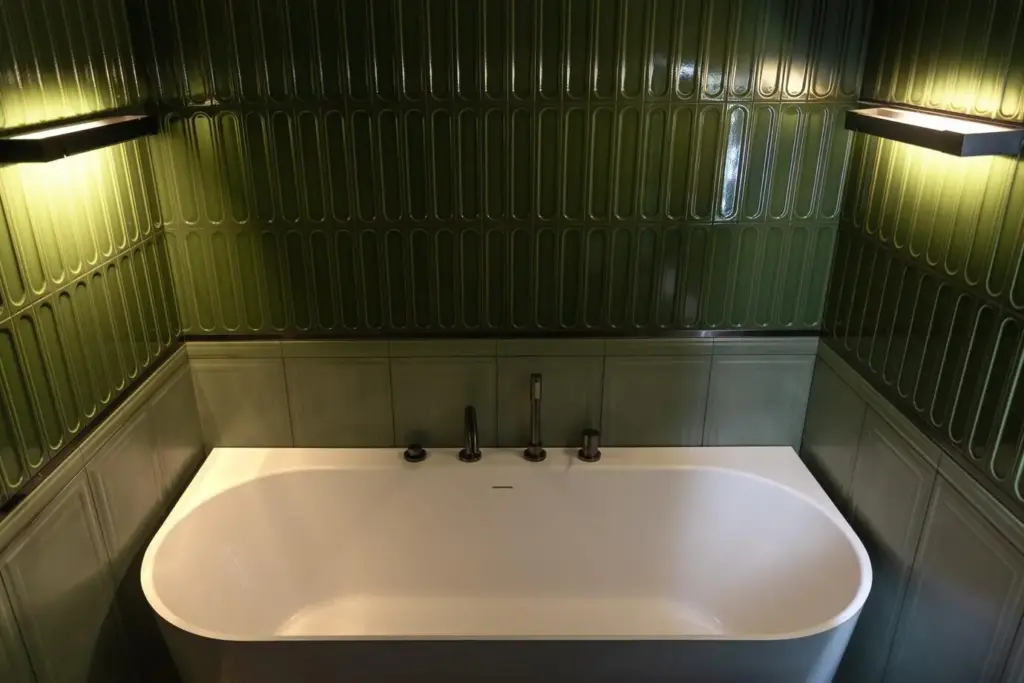
Moisture-resistant rods handle curtains, shower caddies, and drying bars above bathtubs or washers. Add a second bar to drip-dry delicates without drilling tile. Hooks hold brushes and baskets, while small shelves keep detergents organized. Choose silicone-capped ends to shield glazed surfaces and periodically wipe caps clean for consistent grip in humid conditions.
Zoning and Dividing Without Walls

Open layouts feel airy but need definition. Pressure-mounted partitions and curtain tracks create cozy sleeping corners, private workstations, or serene yoga zones without permanent construction. Mix translucent textiles for brightness with textured panels for intimacy. When life changes, swap fabrics, move rods, and instantly reshape your environment without contractors, dust, or demolition.
Layer sheer fabric behind heavier panels so daylight lingers while views soften. Leave a subtle gap above the floor for airflow and easier cleaning. In studios, align dividers with furniture edges to suggest rooms without confining them. The result is comfort that adapts, welcoming guests while preserving personal space during rest and work.
Textiles dampen echoes, improving clarity for calls, podcasts, and focused tasks. Heavier weaves or multi-layer curtains reduce visual clutter and foster calm. Patterned fabrics disguise storage behind them while adding personality. Combine ceiling-mounted rods with corner supports to minimize sway, and keep openings wide where natural light should travel freely across zones.
Maintain clear walkways eight hundred millimeters or wider where possible, and keep panels high enough to avoid tripping yet low enough to block distracting sightlines. If children or pets roam, opt for secure end caps and smooth trims. Test daily flows: entry to desk, kitchen to sofa, bed to closet, without snags or detours.

Upgrades, Hacks, and Creative Combos

Small tweaks elevate performance and style. Anti-slip pads boost grip on tricky paint. Crossbars stabilize wide spans. Lightweight boards transform rods into shelves, while S-hooks and baskets multiply utility. Curved corners, bay windows, and odd niches become opportunities, not obstacles, when you mix adjustable hardware with clever materials and well-chosen accessories.

Anti-Slip Confidence and Gentle Touch

Add thin silicone discs or felt-backed pads under end caps to increase friction while protecting delicate finishes. Clean surfaces with mild soap to remove dust and oils before installation. In high-traffic zones, mark cap positions and recheck weekly during the first month to confirm the chosen preload remains secure and stable.

Boards, Baskets, and Crossbars

Place a lightweight board across parallel rods for an instant shelf, then secure baskets with cable ties to prevent sway. Use a perpendicular crossbar for stability on long spans. Keep loads moderate and balanced, and test stepwise. The result feels custom-built, yet you can disassemble and reinvent everything in minutes when needs change.

Curves, Corners, and Tricky Spans

For angled walls or bay windows, use elbow connectors or modular tracks that pivot slightly under compression. Corner-to-corner bracing in closets creates strong triangles. Where spans exceed ratings, split into segments and overlap panels artfully. With patience and mock-ups, awkward geometries transform into statement features instead of construction hassles or compromises.

Care, Safety, and Long-Term Reliability

Daily Use Rituals

Open curtains with two hands to distribute load, and avoid yanking from one edge. Keep hooks organized to prevent concentrated stress. Vacuum along floor gaps to reduce grit that might grind under caps. These tiny routines help preserve both your hardware and your finishes, maintaining dependable grip and a polished look.

Moisture, Heat, and Seasonal Shifts

Humidity can swell wood and soften paint, slightly changing spans and friction. In bathrooms or kitchens, choose stainless or coated hardware and ventilate after steamy showers or cooking. Recheck tension after seasonal shifts. Where sunlight is intense, rotate fabrics to prevent fading lines and keep overall weight and drape consistent over time.

Kids, Pets, and Unexpected Tugs

Curiosity and play test every installation. Avoid placing climbable baskets within reach, and use wider end caps for extra grip in family rooms. Consider breakaway hooks for safety. Demonstrate gentle pulls and involve kids in organizing so they respect the setup. Regular quick checks turn surprises into simple adjustments, not stressful repairs.

Stories, Ideas, and Community

{{SECTION_SUBTITLE}}

A Renter’s Studio Transformed

Maya split her single-room apartment into a sleeping nook and a workspace using ceiling-pressed tracks and layered curtains. She added two small shelves between rods for books and plants. Weekend guests gained privacy, and weekday calls felt professional. Share how you would tweak her layout or fabric choices for your lighting and lifestyle.

A Tiny Shop’s Weekend Makeover

Carlos used pressure-mounted frames to display scarves and totes while hiding inventory behind patterned panels. The new flow guided customers past featured pieces, and sales rose without drilling historic brick walls. If you run a studio or market booth, tell us what display heights, textures, and pathways help you convert browsing into buying.
Xopakopuxuvanati
Privacy Overview

This website uses cookies so that we can provide you with the best user experience possible. Cookie information is stored in your browser and performs functions such as recognising you when you return to our website and helping our team to understand which sections of the website you find most interesting and useful.